
Activities

Complete guide to fishing in the area of Quinta do Retiro

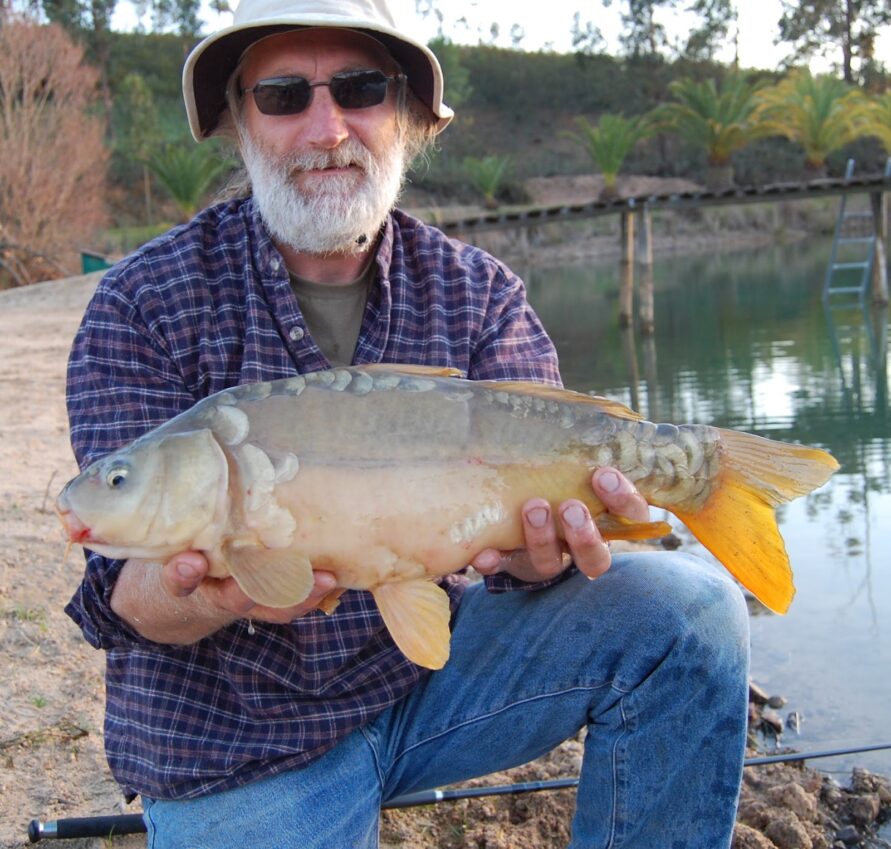
The region around Tábua and Oliveira do Hospital is a popular fishing destination, especially because of its fast, clear mountain rivers and large reservoirs. It is one of the top trout fishing areas in Portugal. Here is a complete guide to fishing in the area: Main Fishing Waters & Species · Rio Mondego and its tributaries (Alva, Ceira, Alhôa): This is a trout fisherman’s paradise. The upper reaches of the Mondego, especially the stretch upstream from Oliveira do Hospital, are known for their wild and fast currents, ideal for brown trout (truta). Fly fishing is very popular here. · Reservoirs (Barragens): Perfect for big game fishing. · Barragem da Aguieira: One of the largest in the region. Here you’ll find zander (black bass), eel (enguia), bream, carp, and perch. Boat fishing is very effective here. · Santa Luzia Barrage: Closer to Tábua. Good for carp, bream, and zander. · Fronhas Barrage & Caldeirão Barrage: Other good options nearby. Regulations & Permits The most important things to arrange before you go fishing: · National Fishing License (Licença de Pesca): Required for everyone over 14 years old. Can be easily purchased online at the ICNF (Institute for Nature Conservation) Portal da Pesca. Select “Licença Nacional”. · Specific Permit for the Fishing Area (Peixe à Linha): For most rivers and lakes in this region, you are subject to the “Regulamento da Pesca às Águas Interiores do Norte e Centro” (Fishing Regulations for the Interior Waters of North and Center). You must purchase a permit for the specific fishing area (Zona de Pesca) on the same website. In this case, it’s probably Zona do Norte e Centro. Read the associated regulations carefully (closed seasons, minimum sizes, catch limits). · Closed Season (Defeso): There is a closed season for brown trout, usually from March 16th to May 31st (always check the Portal da Pesca for the exact year!). During this period, trout fishing is strictly prohibited to protect the spawning season. Top Fishing Locations Rio Alva near Avô: Beautiful location where the Alva and Mondego rivers meet. Good for trout and barbel. Easily accessible. Upper reaches of the Rio Mondego near Videmonte: Higher elevation, cold water, and challenging conditions, perfect for the dedicated trout angler. Fragão da Pena River Pool: The natural pool itself is often closed for fishing, but the upstream and downstream sections offer good opportunities. A fantastic spot for fishing. Barragem da Aguieira: For the added value of boat fishing and chasing zander. There are spots from the shore, but a boat offers many more options. Practical Tips & Local Knowledge · Equipment Rental/Buying: In cities like Coimbra or Viseu, you’ll find tackle shops. In the smaller villages themselves, supplies are limited. Bring your own basic equipment or plan a visit to a larger city at the beginning of your trip. · Local Guides: Consider a local fishing guide for a day. They know the best spots, have the right permits, and know which bait works at any given moment. This is the fastest way to success, especially in the rivers. · Be Prepared: In the mountains, the weather changes quickly. Waterproof clothing and boots or good waders are recommended. The terrain can be rough and slippery. · Respect for Nature: The “Leave No Trace” principle applies doubly to anglers. Take all your rubbish with you, including fishing line and hooks. Additional Activities & Addresses Tourist Offices (Posto de Turismo): Ask in Oliveira do Hospital or Tábua for the latest local information about fishing spots and any local competitions. Combine with Other Activities: Many of the beautiful river beaches (such as São Sebastião in Tábua) are also excellent fishing spots. You can perfectly combine a morning of fishing with a family picnic on a river beach. Conclusion: Whether you’re an experienced fly fisherman searching for the perfect trout in the mountain streams or an angler targeting carp from the shores of a large lake, this region has it all. Be sure to arrange the necessary permits online before you cast your first line. Good luck and have fun!
5 great tips for cyclists by Quinta do Retiro

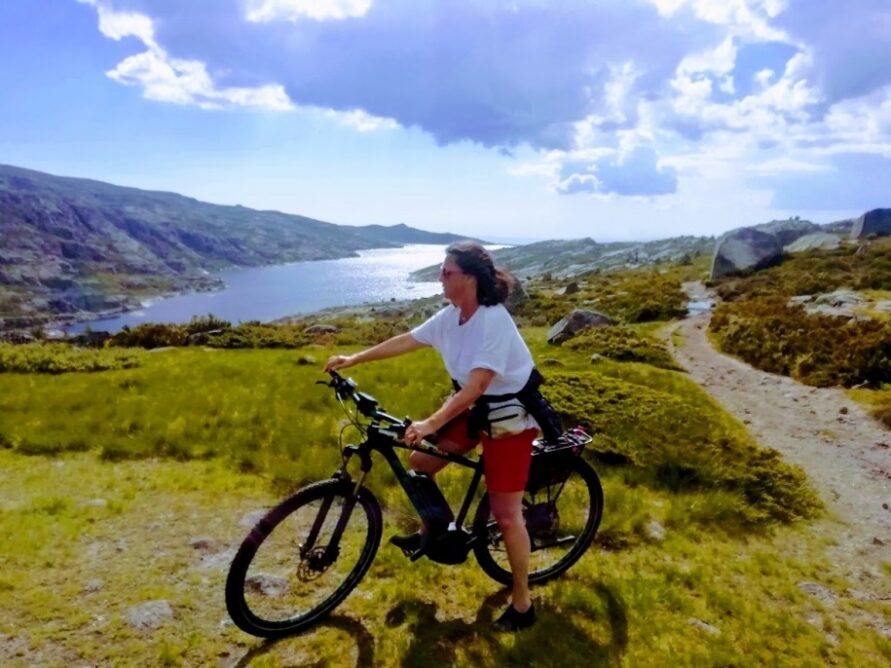
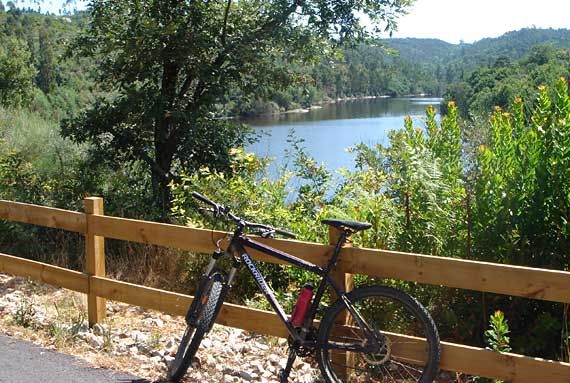
This region is a true paradise for cyclists, from challenging mountain passes in the Serra da Estrela to quiet roads through villages and along rivers. Here are 5 great tips for cyclists:

1. The Iconic N2 (Estrada Nacional 2) – For the Road Cyclist

What it is: The famous “Route 66 of Portugal,” which runs north-south across the country. The section between Oliveira do Hospital and Lamego is breathtakingly beautiful.

Route: You’ll cycle on a well-maintained road with constantly changing views: deep river valleys (Rio Alva, Rio Mondego), vineyards of the Dão region, and mountain ranges. It’s a serious, long climb and descent.

Practical: Choose a section that suits your fitness level. It’s ideal for a long, sporty road ride. Traffic is generally light, but be alert on the bends. There are plenty of small villages along the way where you can refill your water.

2. MTB in Serra da Estrela – For Mountain Bikers

What it is: An extensive network of unpaved and gravel roads through the natural park. Challenging climbs and technical descents guaranteed.
Route: A classic and accessible ride is the route around Covão da Ametade. Start, for example, in Sabugueiro (the highest village) and cycle along gravel roads to the idyllic green lake. The landscape is rugged and majestic.
Practical: Make sure you have a good MTB or gravel bike. Weather conditions can change quickly. There are marked routes (many are available on apps like Komoot or Trailforks). Consider a local guide for the best singletrack.

3. The Ecopista do Dão – For All Levels (Families & Leisurely Tourists)

What it is: A former railway line converted into a flat, paved bike path of almost 50 km, perfect for a relaxed bike ride. Route: The trail runs from Viseu to Santa Comba Dão, through a beautiful landscape of pine forests, vineyards, and riverbanks (Rio Dão). You can hop on and cycle anywhere. It is completely car-free.
Practical: The southernmost point (Santa Comba Dão) is about a 20-minute drive from Quinta do Retiro. Rent bikes at one of the starting points (e.g., in Viseu or Tondela) or bring your own. Perfect for a day of cycling and picnics. For transport to Viseu & bike rental we recommend Abelenda Bike rental in Santa comba Dao: https://www.quintadoriodao.com 

4. Schist Villages & River Valleys Tour – For the Adventurous Touring Cyclist

What it is: A custom-designed route along secondary (and sometimes unpaved) roads that connects the most beautiful villages and river beaches. Example route: Start in Oliveira do Hospital, cycle to the river beach of Fraga da Pena, climb up to the schist village of Casal de São Simão, and descend to Avô for a break at the square. Return via other small roads. It’s a mix of climbs, descents, and beautiful views.
Practical: A gravel bike or touring bike with slightly wider tires is ideal here. Use a route planner like Komoot or Strava to create your own route, or ask local bike rental companies for suggestions.

5. The Reservoirs Route (Barragens) – For a Quiet, Scenic Ride

What it is: A route along the region’s artificial lakes, which are often surprisingly beautiful and surrounded by quiet roads.
Route: Combine a visit to the Albufeira da Barragem de Santa Luzia (recreational area) and the larger Barragem da Aguieira. The surrounding roads are quiet, and the views over the water, surrounded by hills, are fantastic.
· Practical: Ideal for a half-day trip. There are often few to no facilities directly on the lake, so bring plenty of water and food.

Essential Practical Tips for Cyclists Here:

· Rental & Repair: You can find bike rentals in larger towns like Seia or Viseu. Inquire at the Tourist Office (Turismo) in Oliveira do Hospital or Tábua for local providers.
· Climate: Be prepared for significant elevation changes. It’s considerably cooler in the Serra da Estrela. Always wear sunscreen.
· Traffic: Secondary roads are quiet, but be careful on the winding N-roads. The Portuguese drive sportily but are generally respectful of cyclists.
· Water: Always bring more water than you think you need, especially on climbs. Refill at each village. Support: For serious mountain bikers or road cyclists unfamiliar with the region, it might be worthwhile to spend a day with a local guide/rental company to discover the best routes and gain insider knowledge.

Find more biking tours at our partner Komoot: https://www.komoot.com/user/quintadoretiroparcampismo

Have fun on two wheels in this beautiful region!

5 excellent hiking tips around Quinta do Retiro

The area is perfect for hikers, with a mix of mountain trails, river valleys, and historical routes. Here are 5 excellent hiking tips:

1. PR1 SER – Rota da Torre (Serra da Estrela)

What it is: The classic hike to the highest point on mainland Portugal. An unforgettable, yet challenging route.

Route: Usually starting at Penhas da Saúde. The trail is well-marked and leads over granite plateaus, past glacial lakes (such as Lagoa do Vale do Rossim), and finally to the Torre.

Practical information: Approximately 14 km (round trip). Elevation gain of approximately 450m. Make sure you have good hiking boots, water, warm clothing, and protection from the sun/wind. Avoid hiking in poor visibility or during periods of icy conditions.

2. Trilho das Aldeias do Xisto – Rota do Piódão (Piódão Circular Trail)

What it is: A beautiful, certified trail that connects several schist villages. You’ll experience the essence of this historic area.
Route: A circular trail that starts in Piódão, passes through the village of Foz d’Égua (with its iconic stone bridges and river beach), and returns.
Practical information: Various distances are possible (e.g., the shorter route to Foz d’Égua and back is approximately 7 km). Average difficulty. Perfect for combining with a visit and lunch in Piódão.

3. Trilho da Fraga da Pena (Oliveira do Hospital)

What it is: A shorter, enchanting walk to one of the most beautiful river beaches in the region. Route: Starts at the Fraga da Pena River Beach parking lot. The well-maintained path descends through a lush forest of laurel trees, mosses, and ferns to the spectacular waterfall and crystal-clear pools.
Practical information: Very short (less than 1 km one way), but steep on the return trip. Perfect for a refreshing afternoon. Ideal for families. Bring a swimsuit!

4. Linhares da Beira Hiking Trail

What it is: A loop around and through one of Portugal’s most beautiful historic villages, with breathtaking views.
Route: Starts in the village of Linhares da Beira (near the castle). The route takes you along old donkey and shepherd paths around the village, with constant views of the imposing castle and the Serra da Estrela in the background.
Practical information: Usually about 10-12 km. Intermediate difficulty. Combine culture (visit the castle) with nature. There are often several marked trails (PR) starting from the village.

5. Trilho da Volta do Rio (Avô)

What it is: A friendly and picturesque walk along the Alva River, in one of the most charming villages in the region.
Route: Starts in the center of Avô, at the old bridge. The path follows the banks of the Alva River, through orchards and beautiful river landscapes, and returns via the other bank. Along the way, you’ll see old watermills.
Practical information: Approximately 5-6 km. Very slight elevation gain, so suitable for all levels. Afterwards, you can relax on a terrace in the beautiful square (Largo do Pelourinho).

General hiking tips for the region:

Apps & Maps: Download the “Wikiloc” app or use detailed maps (OpenStreetMap is good). Official hiking trails are marked with colored lines (PR = Pequena Rota).

Apps & Maps: Download the “Wikiloc” app or use detailed maps (OpenStreetMap is good). Official hiking trails are marked with colored lines (PR = Pequena Rota). Preparation: Bring plenty of water and snacks, even for shorter hikes. Mountain weather can change quickly.
Start early: Especially in summer, it’s wise to leave early to avoid the heat.
Local Insight: Ask at the local tourist office (posto de turismo) in Oliveira do Hospital or Tábua for the latest hiking maps and trail conditions.

Enjoy hiking in this beautiful and diverse region!

5 tips for fun sights and activities around Quinta do Retiro:

The region around Tábua and Oliveira do Hospital is a hidden gem in Central Portugal, perfect for an authentic and peaceful holiday. Nestled at the foot of the Serra da Estrela, it boasts a wealth of nature, historic villages, and gastronomy.

Here are 5 tips for fun sights and activities:

1. Serra da Estrela: Nature and Portugal’s Highest Point

What it is: Portugal’s largest natural park, just a fifteen-minute drive east. In winter, you can ski there, and in other seasons, it’s perfect for hiking, cycling, and admiring glacial landscapes.
Highlights: Visit Torre (the highest point, 1993m), the Zêzere glacial valley with its hairpin bends, and Covão d’Ametade, a beautiful mountain lake. Taste the famous Queijo da Serra (sheep’s cheese) and smoked ham from local producers. Practical: Bring warm clothes, even in summer, as it can be cool and windy up there.

2. Historic Schist Villages (Aldeias do Xisto)

What it is: A network of medieval villages built of schist, beautifully restored and nestled in the hills.
Recommendations: * Piódão: The absolute highlight. This village resembles a slate amphitheater, with blue doors and windows. It’s a bit further away (about 50 minutes), but an unforgettable sight. * Candal & Casal de São Simão: Lesser-known, but therefore very authentic. Casal de São Simão boasts a spectacular location above a river gorge. Perfect for a short walk and a drink.
Practical: The roads to get there are winding but beautiful. Bring your camera!

3. River Beaches and the Rio Mondego

What it is: The region is full of refreshing and often well-equipped river beaches.

Recommended: * Praia Fluvial de Fraga da Pena: Near Oliveira do Hospital. An enchanting spot with waterfalls and natural pools in a wooded setting. * Praia Fluvial de S. Sebastião (Tábua): Right in Tábua on the Rio Mondego, ideal for families. * Albufeira da Barragem de Santa Luzia: A reservoir with a recreational area, perfect for swimming, kayaking, or picnicking.

4. Medieval Villages with Castle Ruins

What it is: Characteristic villages that bear witness to the strategic importance of the region during the formation of Portugal.
Recommended: * Linhares da Beira: One of the most beautiful historic villages in Portugal. The village is winding, made of granite, and dominated by a mighty 12th-century castle with breathtaking views across the plains to the Serra da Estrela. * Avô: Known as the “village of the two rivers” (where the Alva and Mondego rivers meet), it boasts a charming square and the ruins of an old castle atop a hill.

5. Local Product Tastings

· What it is: This area is a paradise for food and wine lovers.
· Recommendations: * Wine: Visit a local winery (Adega) in the Dão region, one of Portugal’s oldest wine regions, known for its elegant red wines. * Cheese and Meat: Look for “Venda Directa” signs at farms for the local Queijo da Serra and Chouriço (smoked sausage). * Cherry Season: In June/July, the area around Oliveira do Hospital is famous for its cherries. There’s even a Cherry Festival (Festa da Cereja). Taste everything from fresh cherries to liqueur.

Bonus Tip: Take a drive along the N2, the famous “Route 66 of Portugal,” which runs north-south and passes right through this region. The stretch between Oliveira do Hospital and Lamego is spectacular.

Conclusion: Combine a morning walk in the Serra da Estrela with a lunch featuring local produce, visit a schist village in the afternoon, and finish with a dip at a river beach. It’s the perfect formula for a diverse and relaxing holiday far from the crowds.