Author: Jeremy

5 Shorter trips to ‘must-see’ around Quinta do Retiro:

5 (shorter) daytrips to 'must-see' around Quinta do Retiro

Here are 5 beautiful villages and small-town destinations for a day trip around Quinta do Retiro, each with its own unique character and all within easy reach of your accommodation.

1. Piódão – The Fairytale Village of Slate

· Distance & Travel Time: Approximately 55 km / 1 hour 10 minutes. Winding mountain roads.
· Why: One of the most beautiful and photogenic Aldeias do Xisto (slate villages). It resembles an amphitheater perched on the hillside.
· Top 3 Attractions:
1. The Village View: Simply enjoy the sight of the gray slate houses with blue doors and windows.
2. Igreja Matriz: The white church with its unique color contrasts beautifully with the slate.
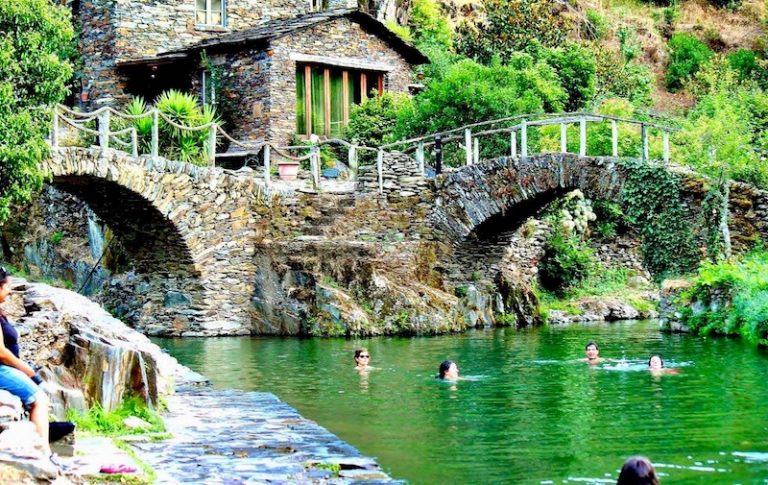
3. Hike to Foz d’Égua: Take a short, scenic walk (or drive) to this even smaller village with its iconic stone bridges over the clear water.

2. Serra da Estrela Villages: Sabugueiro & Linhares da Beira

· Distance & Travel Time: Approximately 50 km / 1 hour 15 minutes to Sabugueiro.
· Why: A combination of the highest mountain village and a medieval gem.
· Top 3 Attractions:
1. Sabugueiro: Taste the famous Queijo da Serra in the local cheese shops and enjoy the rugged mountain atmosphere.
2. Linhares da Beira (on the way back): Explore the mighty 12th-century castle with its double walls and stunning views over the plains.
3. The Ride Itself: The drive there (via Oliveira do Hospital) and the view are part of the experience.

3. Lousã – Castle Village at the Foot of the Serra

· Distance & Travel Time: Approximately 65 km / 1 hour 10 minutes (via the safe route, IC8).

Why: A charming, lively town with a fairytale castle and a beautiful river.
Top 3 Attractions:
1. Castelo da Lousã: A perfectly preserved medieval castle atop a granite rock. Easy to climb and with fantastic views.
2. Historic Center: Stroll through the granite streets around the old market hall.
3. Praia Fluvial de Lousã: A large and well-equipped river beach, perfect for a refreshing dip after visiting the castle.

4. Arganil & the Ceira Valley – Rivers & Local Atmosphere

Distance & Travel Time: Approximately 25 km / 30 min. Very close!
Why: Authentic local life and easy access to beautiful river beaches.
Top 3 Attractions:
1. Praia Fluvial de Arganil: The large municipal river beach, perfect for families. 2. Local Market (Saturday morning): Experience local life and buy fresh regional produce.
3. Ride along the Rio Ceira: Drive (or cycle) a short distance along the N342 towards Góis for the first breathtaking views of the river gorge (even without taking the very challenging road).

On the way back to Quinta do Retiro you can visit the center of Coja.

5. Tábua & Surroundings – Discover the Region of Quinta do Retiro

· Distance & Travel Time: 10 km / 15 min to the center of Tábua.
· Why: Sometimes the most beautiful things are within walking distance. Perfect for a relaxing morning or afternoon.
· Top 3 Attractions:
1. Museu Municipal de Tábua: Learn about the rich history of the region, from the Romans to traditional agriculture.
2. Praia Fluvial de São Sebastião (Tábua): Your “home beach” with a huge playground, ideal for the kids.

3. Monastery of St. António da Convalescença (just outside Tábua): A surprisingly large and serene 17th-century monastery complex that is often overlooked.

Enjoy discovering these hidden gems around Quinta do Retiro!
More trips to bigger cities around Quinta do Retiro?

5 tips for CITY daytrips from Quinta do Retiro

5 tips for CITY daytrips around Quinta do Retiro

Here are 5 excellent city break destinations from Quinta do Retiro in Covas (Tábua), offering a mix of culture, history, and nature. Distances and travel times are approximate, assuming you’re traveling by car.

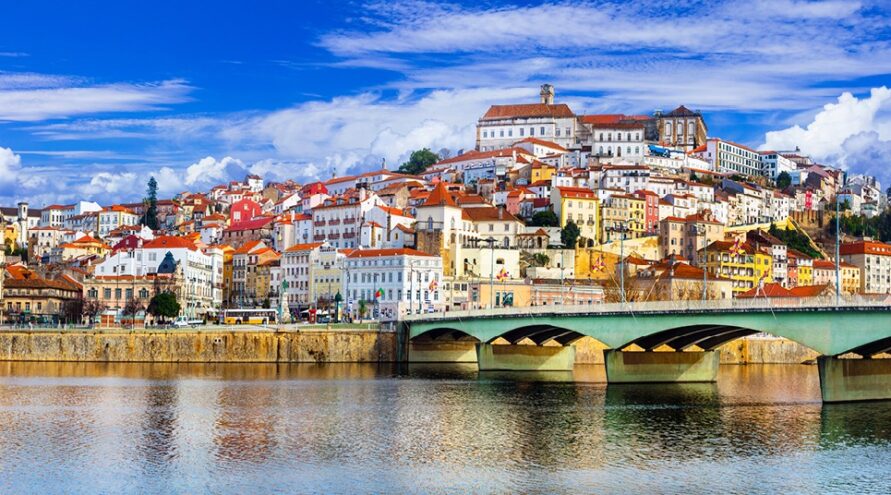
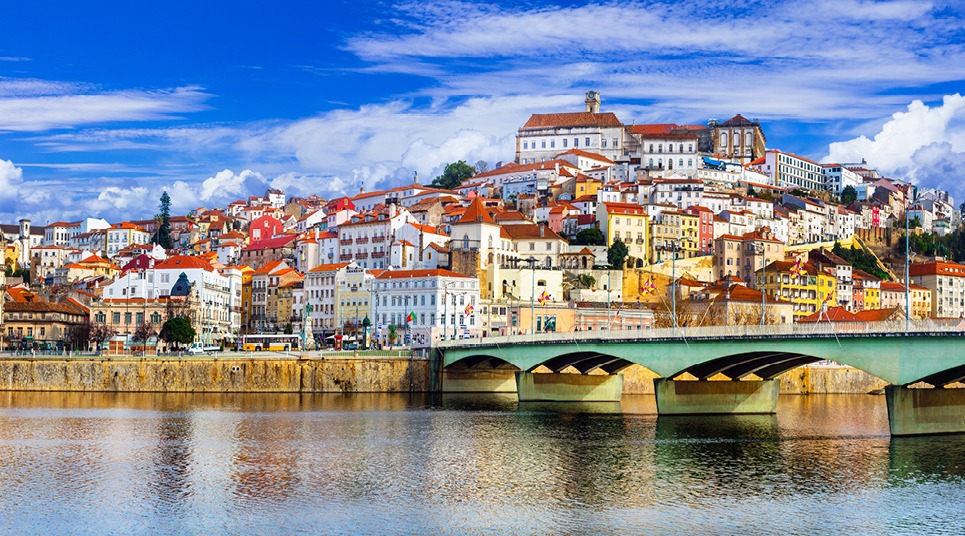
1. Coimbra – The University City

· Distance & Travel Time: Approximately 70 km / 1 hour drive (via IP3).
· Top 3 Sights:
1. University of Coimbra (UNESCO): Visit the magnificent Joanina Library, the University Tower for panoramic views, and the Capela de São Miguel.
2. Sé Velha (Old Cathedral): An impressive Romanesque building in the historic center.
3. Portugal dos Pequenitos: A charming park with miniature Portuguese monuments, a big hit with kids (and fun for adults!).

2. Viseu – The City of Granite and Wine

· Distance & Travel Time: Approximately 55 km / 50-minute drive (via IP3/A24).
· Top 3 Attractions:
1. Viseu Cathedral (Sé): A fortress-like cathedral with a magnificent cloister and the accompanying Museu do Grão Vasco, which houses masterpieces of Portuguese Renaissance painting.
2. Centro Histórico: Stroll through the medieval streets to the central square, Praça da Sé (also known as Rossio), surrounded by historic buildings.
3. Parque do Fontelo: A large, green park with sports facilities and walking paths, ideal for a relaxing break.

3. Serra da Estrela – The Natural Park (Not a city, but a must-see)

· Distance & Travel Time: Approximately 60 km / 1.5 hours to the highest point (Torre). Winding mountain roads. Top 3 Attractions:
1. Torre: The highest point on mainland Portugal (1993m). Enjoy the panoramic views, see the “Snow Tower,” and sample the famous Queijo da Serra (cheese) in the nearby shops.
2. Covão d’Ametade: An enchanting green mountain lake, the perfect starting point for short hikes.
3. Sabugueiro: Portugal’s “highest village,” with an authentic atmosphere, artisan shops, and excellent restaurants for a mountain meal.

4. Guarda – The Highest Town

Distance & Travel Time: Approximately 110 km / 1.5 hours by car (via the A25).
Top 3 Attractions:
1. Sé da Guarda (Cathedral): An imposing granite cathedral in the Gothic-Manueline style, nicknamed the “Fortress Cathedral.”
2. Historic Center & Medieval Walls: Explore the old Jewish Quarter and stroll along the well-preserved city walls and gates.
3. Museu da Guarda: Learn about the region’s rich history, from prehistoric times to modern times.

5. Aveiro – The “Venice of Portugal”

Distance & Travel Time: Approximately 120 km / 1 hour 25 min drive (via IP3/A1).
Top 3 Attractions:
1. Moliceiro Boat Tour on the Ria de Aveiro: Cruise through the canals in a colorful traditional boat, the best way to see the city.
2. Costa Nova: A short drive outside Aveiro, you’ll find this beach with its iconic striped wooden houses (palheiros). Perfect for a stroll and a fish lunch.
3. Art Nouveau Architecture: Admire the ornate facades in the city center, especially along the main canal. The Museu de Arte Nova is dedicated to this.

Travel tip: All these trips take you through beautiful scenery. For Coimbra and Aveiro, consider a stop at the Roman ruins of Conímbriga (one of the most important in the country). Have fun exploring!

Spend less time in the car? Check these:

Guide for the most original local bars around Quinta do Retiro

Discover the heart of Central Portugal: Your new favorite 'Tasca'

Longing for more than just a cup of coffee or a drink? Want to experience the real Portugal, away from the tourist trail?

Step into any local Tasca (Tavern), where time stands still and life simply flows. This is the vibrant neighborhood information center, where news travels faster than the internet and a smile is the standard greeting.

Why come in?

· Everyone knows everyone: And in no time, they’ll know you too. Take a seat among the local regulars, the construction worker sipping their espresso, and the old men playing cards. Here, laughter, debate, and stories are shared.
· The beating heart: From the best advice on hidden hiking trails to the latest village news, or houses for sale – you’ll hear it all here. The counter is the center of the social map.

Friendliness has no price tag: Enjoy a full, aromatic café for a few coins, an ice-cold Imperial (local beer) that won’t break the bank, and homemade petiscos (snacks) that taste just like Grandma used to make, and probably she did. The prices seem like they belong in another era, but the warmth is timeless.

It’s not about luxury, but about the soul. It’s about the authenticity of a glass of wine poured with a story, the aroma of freshly baked pastéis de nata in the morning, and the feeling of being part of a community. Center of social life.

For the price of a cup of coffee, you can buy a slice of Portuguese life here.

Just go in and feel the real Portugal. There’s always a spot at the bar. You’ll be known before you even step inside.

Local Portugese bars:  Where the village center gathers every day.

We list out some local possibilities on walking distance from Quinta do Retiro
Local bar around quinta do retiro

Cafe Central Vila Nova de Oliveirinha

https://maps.app.goo.gl/6GPgF1AiN4sTDAwR6

Local bar around quinta do retiro

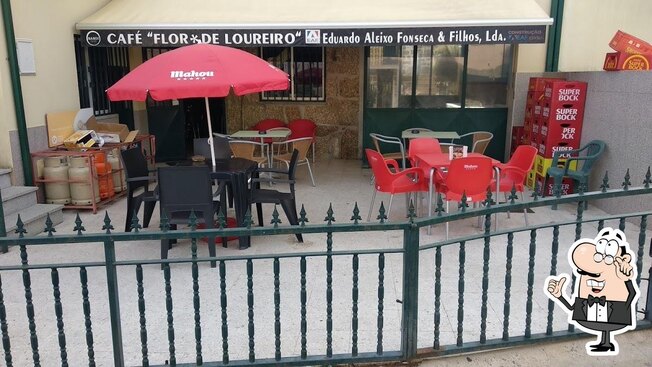
Cafe Flor de Loureiro, Loureiro

https://maps.app.goo.gl/pFDS4vNyFxtwqRzm8

Complete guide to the best Pasteis de Nata

Pasteis de Nata challenge around Quinta do Retiro

Pastéis de Nata: een Portugees culinair icoon

Wat het is: Pastel de nata (enkelvoud) Pastéis de nata (meervoud) zijn kleine Portugese roomtaartjes die bestaan uit een knapperig bladerdeegkorstje gevuld met een romig, zoet, eiercustardachtig mengsel. De topping wordt traditioneel licht gekaramelliseerd (aangebrand) door intense hitte. Ze worden vaak bestrooid met kaneel en/of poedersuiker en warm gegeten.

Geschiedenis

De oorsprong ervan gaat terug tot vóór de 18e eeuw in het Mosteiro dos Jerónimos (Hieronymietenklooster) in Belém, Lissabon. Daar gebruikten monniken eiwitten om kleding te stijven (met het stijfsel). De overgebleven eidooiers gebruikten ze om gebak en taarten te maken, waaronder een voorloper van de Pastel de Nata.

Na de Liberale Revolutie van 1820 werden veel kloosters in Portugal gesloten. Om in hun levensonderhoud te voorzien, begonnen de monniken van het Hieronymietenklooster hun zoete gebakjes te verkopen. In 1837 opende de eerste fabriek voor “Pastéis de Belém” vlakbij het klooster. Het originele recept is een streng bewaard geheim en wordt alleen lokaal in Belém gemaakt (waar ze Pastéis de Belém worden genoemd). Elders in Portugal en de rest van de wereld worden ze Pastéis de Nata genoemd.

Het gebakje is uitgegroeid tot een nationaal symbool en is nu wereldwijd bekend, mede dankzij de Portugese diaspora.

Hoe worden ze gemaakt? (Traditioneel proces)

Het maken van authentieke Pastéis de Nata is een ambacht, maar een vereenvoudigde versie kan thuis worden gemaakt.

1. Het deeg:

Traditioneel wordt bladerdeeg (massa folhada) gebruikt. Het deeg wordt heel dun uitgerold en vervolgens strak opgerold (zoals een Zwitserse rol). Deze rol wordt in plakjes gesneden, die elk in een muffinvormpje worden gedrukt. Zo ontstaan de vele, extreem dunne laagjes tijdens het bakken.

2. De vulling (crème):

• De vulling bestaat uit een mengsel van:
• Suiker, water en soms citroenschil (om een simpele siroop te maken).
• Bloem of maizena als bindmiddel.
• Eierdooiers (onmisbaar!).
• Volle melk en soms room.
• Eventueel vanille- of citroenaroma.
• Het siroop- en melkmengsel wordt voorzichtig gemengd om schifting te voorkomen, waarna de eierdooiers worden toegevoegd.

3. Vormgeven en bakken:

• De taartbodems worden voor driekwart gevuld met de crème.
• Ze worden gebakken in een zeer hete oven (ongeveer 250-300 °C) – vaak alleen met onderwarmte of in een speciale heteluchtoven. Dit is cruciaal voor de karakteristieke gekaramelliseerde, gemarmerde bovenkant, terwijl het deeg knapperig wordt. De bakplaat wordt vaak hoog in de oven geplaatst, direct onder de grill, voor het uiteindelijke ‘aanbranden’.

4. Porties:

Ze worden lauwwarm gegeten, bestrooid met kaneel en/of poedersuiker.

Pasteis de Nata zijn meer dan zomaar een gebakje; ze vormen een heerlijk stukje Portugese geschiedenis en cultuur. Eet smakelijk!

Waar kan ik ze proberen?

De meest legendarische plek is Antiga Confeitaria de Belém in Lissabon, waar het originele recept al sinds 1837 wordt gebruikt.

Je vindt een variant in bijna elke pastelaria (banketbakkerij) in Portugal.

Je hoeft niet naar Lissabon te gaan om Pasteis de Nata te proeven; bij Quinta do Retiro kun je elke dag genieten van verse Pasteis de Nata uit onze lokale bakkerij. 

Het vinden van de beste Pasteis in de regio is een uitdaging, daarom geven we je een paar tips waar je de beste Pasteis de nata in de buurt van Quinta do Retiro kunt vinden:

Welke smaken het lekkerst? Ontdek het zelf! Maar onthoudt: een dag zonder Pasteis is een dag zonder leven. 🙂