

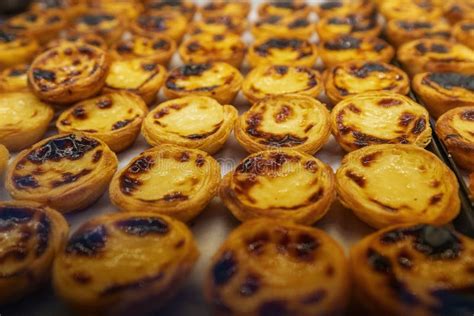
Complete guide to the best Pasteis de Nata
Pasteis de Nata challenge around Quinta do Retiro
Pastéis de Nata: een Portugees culinair icoon
Wat het is: Pastel de nata (enkelvoud) Pastéis de nata (meervoud) zijn kleine Portugese roomtaartjes die bestaan uit een knapperig bladerdeegkorstje gevuld met een romig, zoet, eiercustardachtig mengsel. De topping wordt traditioneel licht gekaramelliseerd (aangebrand) door intense hitte. Ze worden vaak bestrooid met kaneel en/of poedersuiker en warm gegeten.
—
Geschiedenis
De oorsprong ervan gaat terug tot vóór de 18e eeuw in het Mosteiro dos Jerónimos (Hieronymietenklooster) in Belém, Lissabon. Daar gebruikten monniken eiwitten om kleding te stijven (met het stijfsel). De overgebleven eidooiers gebruikten ze om gebak en taarten te maken, waaronder een voorloper van de Pastel de Nata.
Na de Liberale Revolutie van 1820 werden veel kloosters in Portugal gesloten. Om in hun levensonderhoud te voorzien, begonnen de monniken van het Hieronymietenklooster hun zoete gebakjes te verkopen. In 1837 opende de eerste fabriek voor “Pastéis de Belém” vlakbij het klooster. Het originele recept is een streng bewaard geheim en wordt alleen lokaal in Belém gemaakt (waar ze Pastéis de Belém worden genoemd). Elders in Portugal en de rest van de wereld worden ze Pastéis de Nata genoemd.
Het gebakje is uitgegroeid tot een nationaal symbool en is nu wereldwijd bekend, mede dankzij de Portugese diaspora.
—
Hoe worden ze gemaakt? (Traditioneel proces)
Het maken van authentieke Pastéis de Nata is een ambacht, maar een vereenvoudigde versie kan thuis worden gemaakt.
1. Het deeg:
Traditioneel wordt bladerdeeg (massa folhada) gebruikt. Het deeg wordt heel dun uitgerold en vervolgens strak opgerold (zoals een Zwitserse rol). Deze rol wordt in plakjes gesneden, die elk in een muffinvormpje worden gedrukt. Zo ontstaan de vele, extreem dunne laagjes tijdens het bakken.
2. De vulling (crème):
• De vulling bestaat uit een mengsel van:
• Suiker, water en soms citroenschil (om een simpele siroop te maken).
• Bloem of maizena als bindmiddel.
• Eierdooiers (onmisbaar!).
• Volle melk en soms room.
• Eventueel vanille- of citroenaroma.
• Het siroop- en melkmengsel wordt voorzichtig gemengd om schifting te voorkomen, waarna de eierdooiers worden toegevoegd.
3. Vormgeven en bakken:
• De taartbodems worden voor driekwart gevuld met de crème.
• Ze worden gebakken in een zeer hete oven (ongeveer 250-300 °C) – vaak alleen met onderwarmte of in een speciale heteluchtoven. Dit is cruciaal voor de karakteristieke gekaramelliseerde, gemarmerde bovenkant, terwijl het deeg knapperig wordt. De bakplaat wordt vaak hoog in de oven geplaatst, direct onder de grill, voor het uiteindelijke ‘aanbranden’.
4. Porties:
Ze worden lauwwarm gegeten, bestrooid met kaneel en/of poedersuiker.
Pasteis de Nata zijn meer dan zomaar een gebakje; ze vormen een heerlijk stukje Portugese geschiedenis en cultuur. Eet smakelijk!
—
Waar kan ik ze proberen?
De meest legendarische plek is Antiga Confeitaria de Belém in Lissabon, waar het originele recept al sinds 1837 wordt gebruikt.
Je vindt een variant in bijna elke pastelaria (banketbakkerij) in Portugal.
Je hoeft niet naar Lissabon te gaan om Pasteis de Nata te proeven; bij Quinta do Retiro kun je elke dag genieten van verse Pasteis de Nata uit onze lokale bakkerij.
Het vinden van de beste Pasteis in de regio is een uitdaging, daarom geven we je een paar tips waar je de beste Pasteis de nata in de buurt van Quinta do Retiro kunt vinden:
- Bakkerij ‘Finata’ in Vila do Mato (ook te vinden op de zondagsmarkt in Tabua): https://maps.app.goo.gl/EBJ167TrJ9wG3cTN9
- Café Portugal op het traditionele plein in Oliveira do Hospital: https://maps.app.goo.gl/Wjgyt2AvjCAw1izW6
- Café Jardim op het traditionele plein in Oliveira do Hospital: https://maps.app.goo.gl/AgzwppsXQyBSqWQ3A
- Café ‘Braspordoce’ in Tabua: https://maps.app.goo.gl/8FYL2WHgbv7SjQ2H6
Welke smaken het lekkerst? Ontdek het zelf! Maar onthoudt: een dag zonder Pasteis is een dag zonder leven. 🙂