Category: Geen onderdeel van een categorie

5 Shorter trips to ‘must-see’ around Quinta do Retiro:

5 (shorter) daytrips to 'must-see' around Quinta do Retiro

Here are 5 beautiful villages and small-town destinations for a day trip around Quinta do Retiro, each with its own unique character and all within easy reach of your accommodation.

1. Piódão – The Fairytale Village of Slate

· Distance & Travel Time: Approximately 55 km / 1 hour 10 minutes. Winding mountain roads.
· Why: One of the most beautiful and photogenic Aldeias do Xisto (slate villages). It resembles an amphitheater perched on the hillside.
· Top 3 Attractions:
1. The Village View: Simply enjoy the sight of the gray slate houses with blue doors and windows.
2. Igreja Matriz: The white church with its unique color contrasts beautifully with the slate.
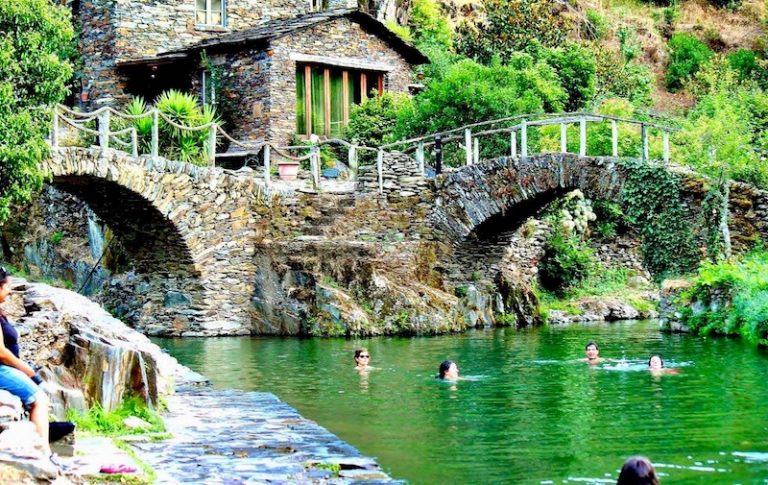
3. Hike to Foz d’Égua: Take a short, scenic walk (or drive) to this even smaller village with its iconic stone bridges over the clear water.

2. Serra da Estrela Villages: Sabugueiro & Linhares da Beira

· Distance & Travel Time: Approximately 50 km / 1 hour 15 minutes to Sabugueiro.
· Why: A combination of the highest mountain village and a medieval gem.
· Top 3 Attractions:
1. Sabugueiro: Taste the famous Queijo da Serra in the local cheese shops and enjoy the rugged mountain atmosphere.
2. Linhares da Beira (on the way back): Explore the mighty 12th-century castle with its double walls and stunning views over the plains.
3. The Ride Itself: The drive there (via Oliveira do Hospital) and the view are part of the experience.

3. Lousã – Castle Village at the Foot of the Serra

· Distance & Travel Time: Approximately 65 km / 1 hour 10 minutes (via the safe route, IC8).

Why: A charming, lively town with a fairytale castle and a beautiful river.
Top 3 Attractions:
1. Castelo da Lousã: A perfectly preserved medieval castle atop a granite rock. Easy to climb and with fantastic views.
2. Historic Center: Stroll through the granite streets around the old market hall.
3. Praia Fluvial de Lousã: A large and well-equipped river beach, perfect for a refreshing dip after visiting the castle.

4. Arganil & the Ceira Valley – Rivers & Local Atmosphere

Distance & Travel Time: Approximately 25 km / 30 min. Very close!
Why: Authentic local life and easy access to beautiful river beaches.
Top 3 Attractions:
1. Praia Fluvial de Arganil: The large municipal river beach, perfect for families. 2. Local Market (Saturday morning): Experience local life and buy fresh regional produce.
3. Ride along the Rio Ceira: Drive (or cycle) a short distance along the N342 towards Góis for the first breathtaking views of the river gorge (even without taking the very challenging road).

On the way back to Quinta do Retiro you can visit the center of Coja.

5. Tábua & Surroundings – Discover the Region of Quinta do Retiro

· Distance & Travel Time: 10 km / 15 min to the center of Tábua.
· Why: Sometimes the most beautiful things are within walking distance. Perfect for a relaxing morning or afternoon.
· Top 3 Attractions:
1. Museu Municipal de Tábua: Learn about the rich history of the region, from the Romans to traditional agriculture.
2. Praia Fluvial de São Sebastião (Tábua): Your “home beach” with a huge playground, ideal for the kids.

3. Monastery of St. António da Convalescença (just outside Tábua): A surprisingly large and serene 17th-century monastery complex that is often overlooked.

Enjoy discovering these hidden gems around Quinta do Retiro!
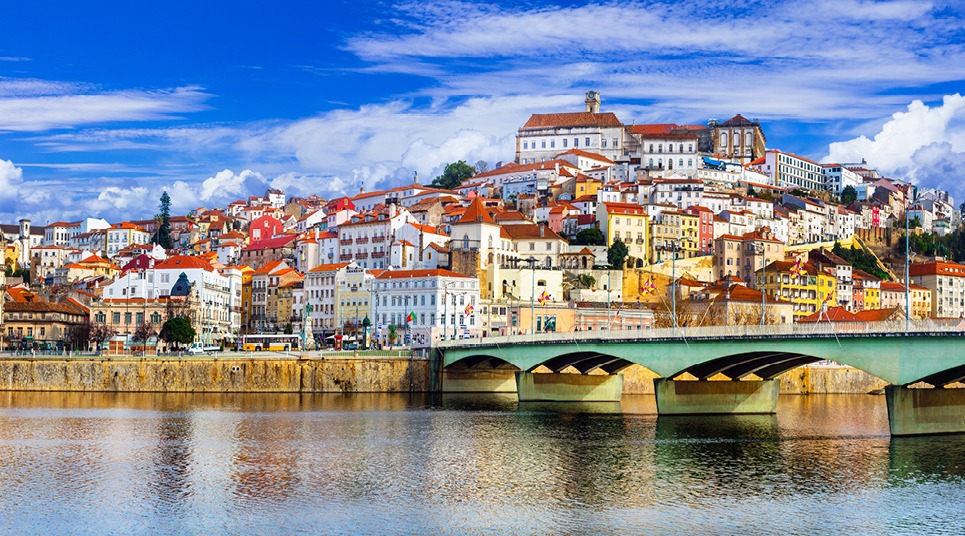
More trips to bigger cities around Quinta do Retiro?

Guide for the most original local bars around Quinta do Retiro

Discover the heart of Central Portugal: Your new favorite 'Tasca'

Longing for more than just a cup of coffee or a drink? Want to experience the real Portugal, away from the tourist trail?

Step into any local Tasca (Tavern), where time stands still and life simply flows. This is the vibrant neighborhood information center, where news travels faster than the internet and a smile is the standard greeting.

Why come in?

· Everyone knows everyone: And in no time, they’ll know you too. Take a seat among the local regulars, the construction worker sipping their espresso, and the old men playing cards. Here, laughter, debate, and stories are shared.
· The beating heart: From the best advice on hidden hiking trails to the latest village news, or houses for sale – you’ll hear it all here. The counter is the center of the social map.

Friendliness has no price tag: Enjoy a full, aromatic café for a few coins, an ice-cold Imperial (local beer) that won’t break the bank, and homemade petiscos (snacks) that taste just like Grandma used to make, and probably she did. The prices seem like they belong in another era, but the warmth is timeless.

It’s not about luxury, but about the soul. It’s about the authenticity of a glass of wine poured with a story, the aroma of freshly baked pastéis de nata in the morning, and the feeling of being part of a community. Center of social life.

For the price of a cup of coffee, you can buy a slice of Portuguese life here.

Just go in and feel the real Portugal. There’s always a spot at the bar. You’ll be known before you even step inside.

Local Portugese bars:  Where the village center gathers every day.

We list out some local possibilities on walking distance from Quinta do Retiro
Local bar around quinta do retiro

Cafe Central Vila Nova de Oliveirinha

https://maps.app.goo.gl/6GPgF1AiN4sTDAwR6

Local bar around quinta do retiro

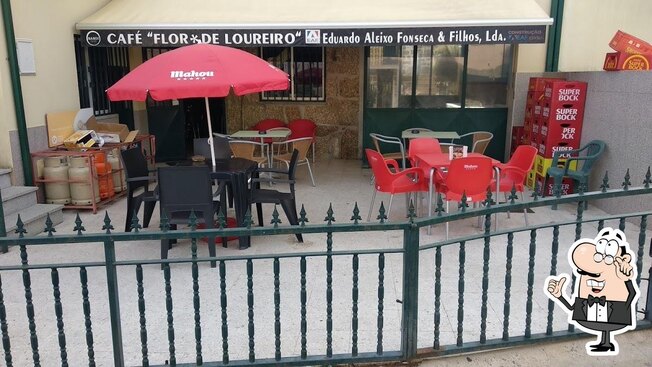
Cafe Flor de Loureiro, Loureiro

https://maps.app.goo.gl/pFDS4vNyFxtwqRzm8

The Portuguese toll road system explained

  • An important question for anyone traveling in Portugal by car: the Portuguese toll road system can be confusing, especially for tourists. Here’s a clear explanation.

Portugal has three types of toll roads, and the payment method varies by type:

The Three Types of Toll Roads

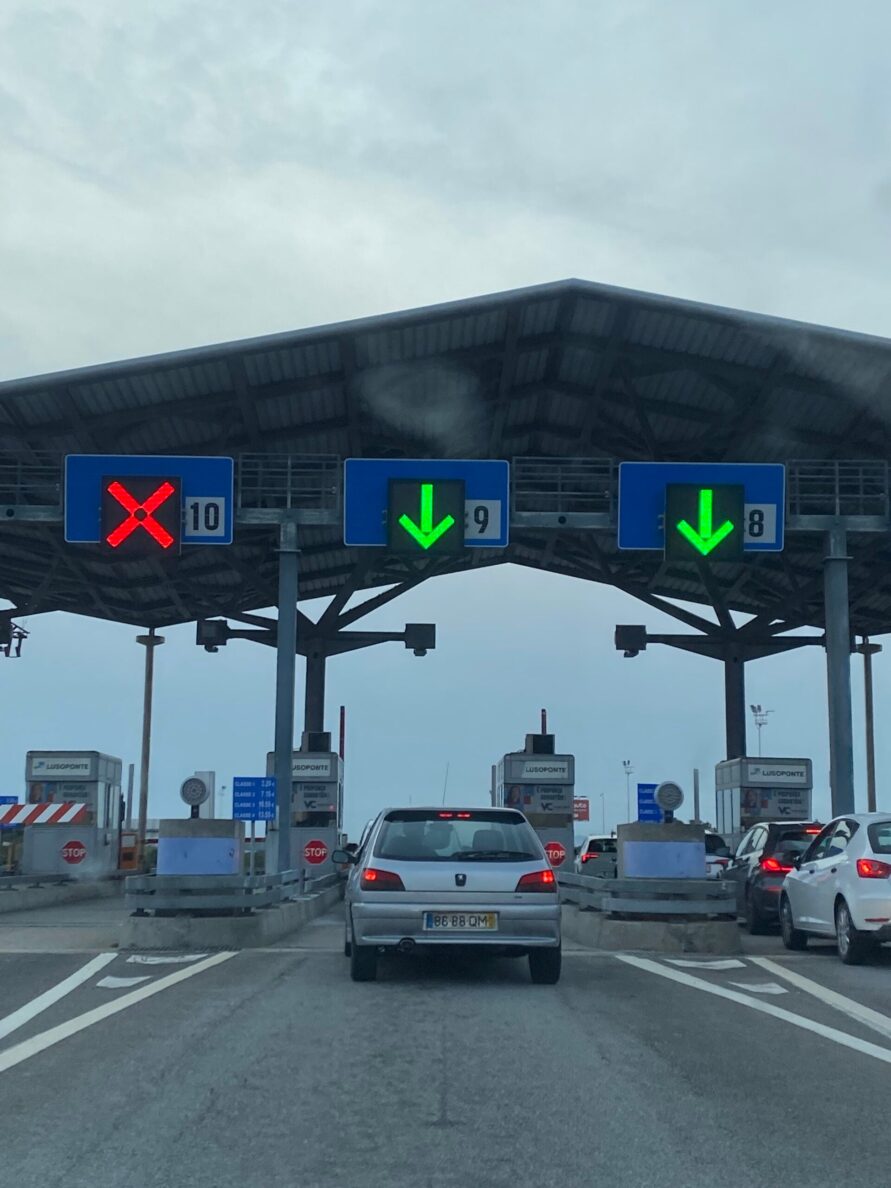
• Vignette System (Portagens Electrónicas): These are electronic toll roads without barriers. You drive through barriers (usually indicated with a green arrow or “Via Verde”). This is the most common type on major highways (A-motorways, such as the A1 from Lisbon to Porto). There are no barriers or toll booths where you can stop and pay cash.
Traditional Toll Gates (Portagens Manuais): These have barriers and toll booths. You can pay with cash or a card (usually credit card). Choose the lanes with a coin or card symbol, or a green cross.
Expressways (SCUTs): These are older, toll-free highways, especially inland. However, they are becoming increasingly rare, as many have been converted to electronic toll systems.

How to pay? The options at a glance

Option 1: Prepay – Rent a Via Verde transponder

How: Rent a Via Verde transponder from your car rental company. This usually costs a few euros per day plus a one-time administration fee. This is by far the simplest solution.
How it works: The transponder is attached to your windshield. It beeps at each electronic toll booth, and the toll is automatically charged to the car rental company’s credit card. You pay the rental company (usually via a later invoice).
Pros: No hassle, you can use all lanes (including the fast Via Verde lanes), and you never miss a toll booth.
Cons: Extra costs.

“Fulli” is a similar system and also an option: https://www.anwb.nl/vakantie/reisvoorbereiding/tolbadge

Option 2: Pay later – Online or at the post office (for electronic toll collection)

This is the option if you don’t have a transponder and accidentally or intentionally drive through the green gates.

• How it works: ANPR cameras record your license plate. The vehicle owner (you or the rental company) receives the invoice.
• For rental cars:

The rental company receives the invoice and debits the costs (often including a hefty administrative fee!) from your credit card. This can happen weeks after your trip.

Even better: pay online yourself within 5 business days of passing through. Then you only pay the toll itself.
How to pay online:
1. Go to the website www.portugaltolls.com (especially for foreigners).

2. Select “Pay toll later” or “Pay toll”.

3. Enter your license plate number, country code (e.g., NL or D), and the start date of your rental.

4. The system will display all outstanding toll amounts. Pay by credit card.

Important: This only works for vehicles registered outside of Portugal. For Portuguese license plates, you must go to a physical payment point.

Option 3: On-site – Cash/Card at traditional toll gates

• How: Look for lanes with a coin or card symbol, a green cross, or the word “Pagamento.” You can stop and pay there.
• Tip: Avoid lanes with only a green arrow or the “Via Verde” logo, as you cannot pay there.

Option 4: Buy a temporary prepaid card

• How: You can buy a prepaid toll card (e.g., TollCard) at many post offices (CTT), some gas stations, or motorway service areas. You must load the card and register it in the car according to the instructions. • Advantage: You have control over your spending.
• Disadvantage: Less convenient for a short trip; you have to make a purchase and activate the card.

Practical tips and warnings

Google Maps settings: Enable the “Avoid toll roads” option in Google Maps. You’ll often arrive via the beautiful, older N-roads (such as the N2), which are much more characteristic and free. This is perfect for the Tábua region, where many attractions can be reached via secondary roads.

Remember the color code: Green arrows = electronic (no cash). Red cross = closed. Green cross or symbol = payment is required.

Check your rental car: Ask the rental company explicitly: “Does this car have a Via Verde transponder and how does the toll payment work?” This will prevent most surprises.

Fines: If you pass through an electronic toll gate without paying and don’t pay (online) within the specified timeframe, you will receive a hefty fine. This fine will be passed on to you by the rental company, resulting in significant additional costs. 5. In the Centro region: In the hills around Tábua and Oliveira do Hospital, you’ll mainly drive on N-roads. As soon as you take the major A-motorways (such as the A13, A23, or A25) towards the coast or major cities, you’ll enter the electronic toll system.

Conclusion: For the average tourist, the choice is simple:

• Convenience and peace of mind: Rent a Via Verde box from your car rental company.
• Economical and planned: Use the free N-roads and pay cash at the few traditional toll booths you encounter, or pay any electronic tolls online within 5 days via portugaltolls.com.

Good preparation prevents a lot of hassle and unexpected costs!